Indian Cricket at Its “Lowest Point”: Fierce Debate Erupts Over Systemic Failure and Coach Accountability After Back-to-Back Home Whitewashes
Indian cricket is under fire after suffering two historic home Test whitewashes within just 12 months—an unprecedented collapse that experts are calling the “lowest point in Indian cricket history.” The shocking results have triggered a nationwide debate on systemic failures, flawed selection strategies, and the role of Test Coach Gautam Gambhir, who was at the helm for both humiliating defeats.
Gambhir Faces Harsh Criticism — “Worst Test Coach in 25 Years?”
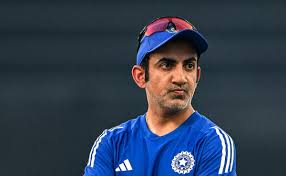
Gautam Gambhir, once celebrated as a gritty match-winner, is now at the center of intense scrutiny. Critics have gone as far as asking whether he is the “worst Test coach in the last 25 years”—even comparing him unfavorably to the controversial Greg Chappell era.
The numbers are damning:
India has been whitewashed at home only three times in its entire Test history, and two of those came during Gambhir’s tenure in the last year alone. This is a dramatic fall from a team that dominated home conditions for nearly two decades, with legends like Steve Waugh famously failing to conquer India.
Adding fuel to the fire, Gambhir is accused of imposing an “IPL-style selection mindset” on Test cricket—an approach many panelists labelled as reckless and misguided.
Beyond Gambhir: Experts Warn of India’s Increasing “IPL Obsession”
While Gambhir’s role is under attack, cricket analysts insist the problem runs far deeper. Firing the coach, they argue, will not “magically fix a broken system.” Instead, they blame the overwhelming prioritization of IPL and white-ball cricket, which has eroded India’s once-strong red-ball foundation.
Major Issues Identified in India's Test Cricket Decline
1. Ignoring Elite Ranji Performers
Red-ball specialists with outstanding domestic records—including Sarfaraz Khan (FC average 67), Shaikh Rasheed, and Baba Indrajith—continue to be overlooked. Instead, selectors appear fixated on IPL stars with minimal first-class credentials.
2. All-Rounder Obsession Over Proper Specialists
Critics argue that India is picking “bits-and-pieces cricketers” rather than genuine red-ball specialists—diluting the quality of both batting and bowling units.
3. Questionable and Unjustified Selections
Examples cited include:
IPL performers fast-tracked into Test cricket despite poor first-class numbers (like Nitish Kumar Reddy with a red-ball average of just 20).
Playing Washington Sundar over world-class spinner Ravichandran Ashwin in the Australia series—shortly before Ashwin’s shock retirement.
Former players argue the IPL is not the problem—the selectors are.
Growing Demands for BCCI Transparency and Structural Reform
The Board of Control for Cricket in India (BCCI) has also come under fire for its lack of transparency. Fans, former players, and analysts are demanding explanations for:
Selection decisions
Domestic scheduling
Wicket preparation standards
Long-term Test cricket strategy
Many believe the modern Indian cricket ecosystem is now fully structured around the IPL, with Test cricket treated as an afterthought.
Former India player Venkatesh Prasad has repeatedly slammed the “all-rounder obsession” on social media, calling it a “complete brain fade” and urging the BCCI to restore the integrity of Test selection.
Experts Propose Urgent Reforms to Save Indian Test Cricket
Panelists and former players offered a series of reforms to strengthen India’s domestic red-ball structure:
1. Overhaul of the Ranji Trophy
Create an elite division of 10 top teams, ensuring more high-quality competition and multiple four-day matches per season.
2. Promotion & Relegation System
Reward strong performers and penalize underperforming teams—bringing accountability back into domestic cricket.
3. Improve Wicket Preparation
Prepare pitches that simulate real Test conditions, allowing bowlers and batters to develop proper five-day skills.
The Bottom Line: Without Selector Accountability, Reforms Won’t Matter
Despite the passionate proposals, experts agreed on one critical point:
Nothing will change unless the selection philosophy shifts away from IPL performance as the primary benchmark.
Indian cricket stands at a crossroads. Without immediate action, the legacy of India’s red-ball dominance may fade further—and the recent whitewashes could be a sign of deeper trouble yet to come.